I. The Architectural Paradox
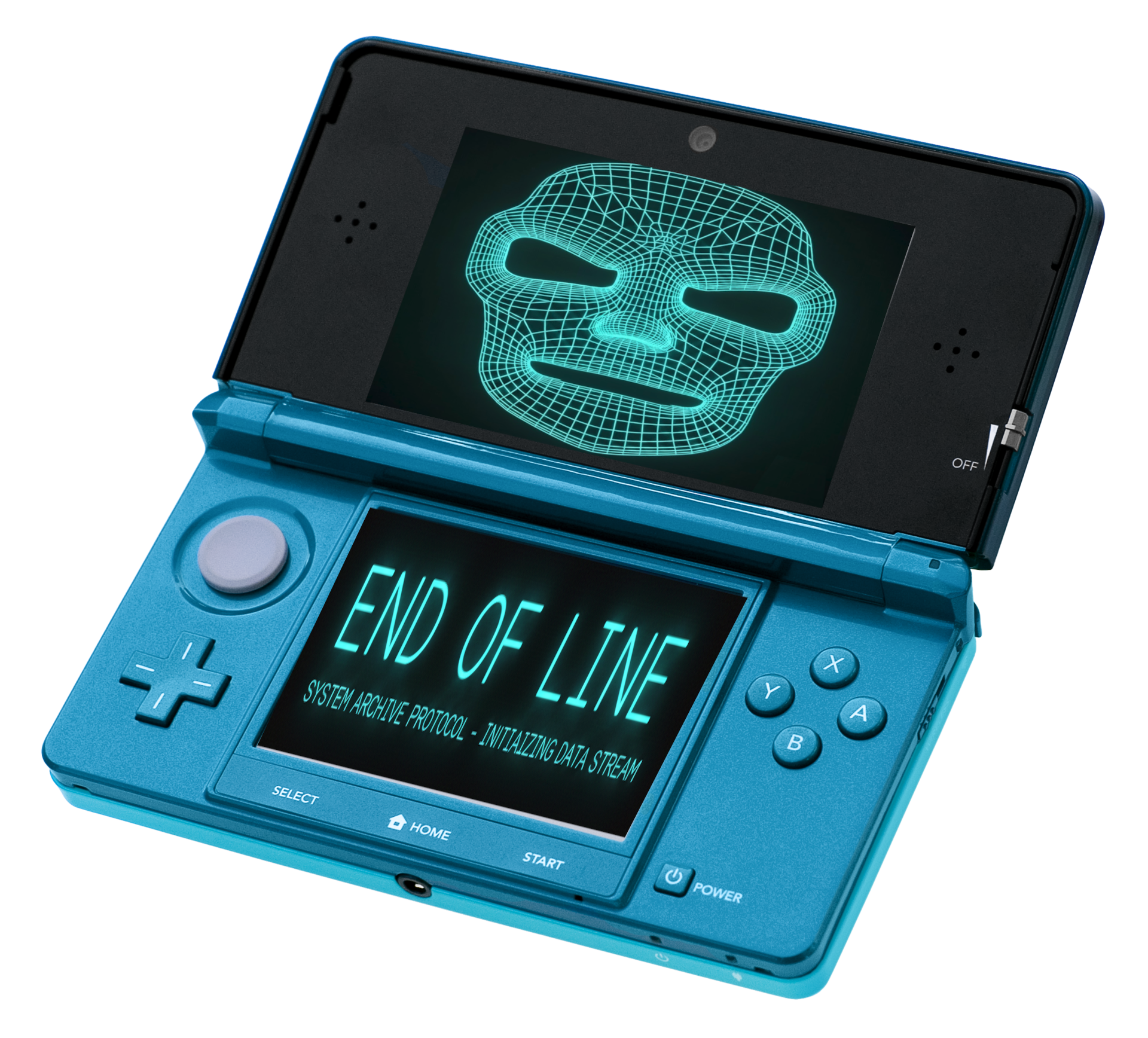
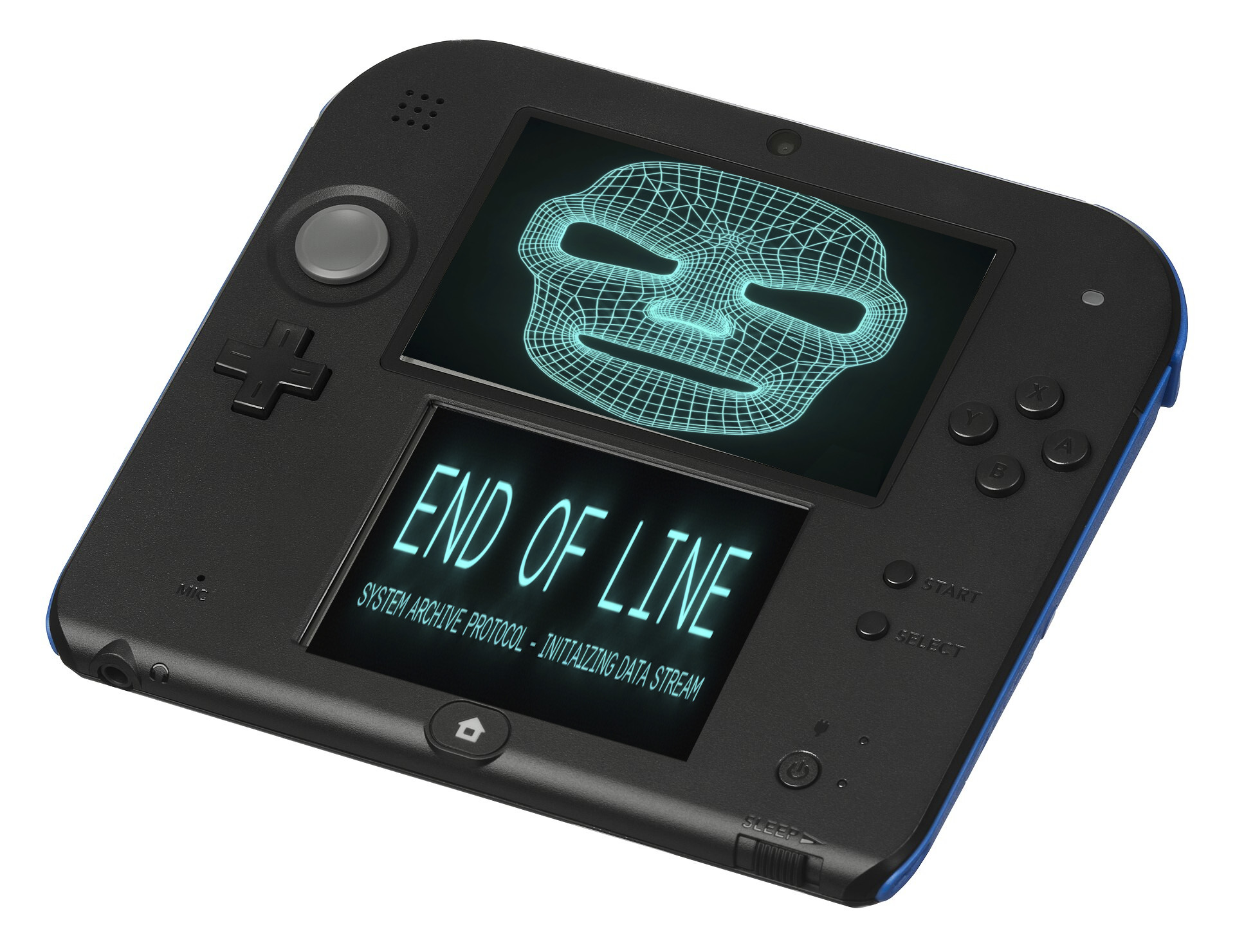
The Nintendo 2DS and 3DS systems embody a tragic paradox in gaming. With their dual-screen input, physical controls, and unique stereoscopic displays, they offer a tactile experience that cannot be perfectly replicated on a smartphone or a standard PC monitor. Through the lens of pure engineering, these devices are "Universal Legacy Machines,” fully capable of running high-fidelity emulators and archival software that could preserve decades of history.
However, we currently find ourselves in an era of Hardware Nerfing, primarily due to Section 1201 of the Digital Millennium Copyright Act (DMCA). The 3DS is akin to a high-performance engine hampered by a legal speed governor. Despite its formidable technical capabilities, it remains one of the most legally restricted devices listed on End of Line. This is not a limitation of the chips, but a limitation of the law.
II. The Digital Divide: Steam/GOG vs. The Closed Garden
To the untrained eye, all digital environments seem the same, but there is a vast chasm between them.
PC Sovereignty (Steam/GOG):
On a PC, you are (more or less) the king! You own the whole castle. If a storefront disappears, the hardware remains accessible and you can put another store on it or use a store that is less restricted. GOG, in particular, offers DRM-free installers, effectively "physical ownership" in digital form. You can back them up to a thumb drive, move them across devices, and ensure they run twenty years from now.
The Console Trap (3DS eShop):
Conversely, the 3DS digital ecosystem is built for leasing rather than ownership. When the eShop servers were closed, the "digital" games many users purchased became tethered to specific, aging hardware. If that motherboard fails, licenses often go with it.
The 3DS isn’t inherently flawed; it’s just a victim of being nerfed by a lack of the Interoperable Freedom found on PC and other platforms.
III. The Jaguar Blueprint: A Path Not Taken
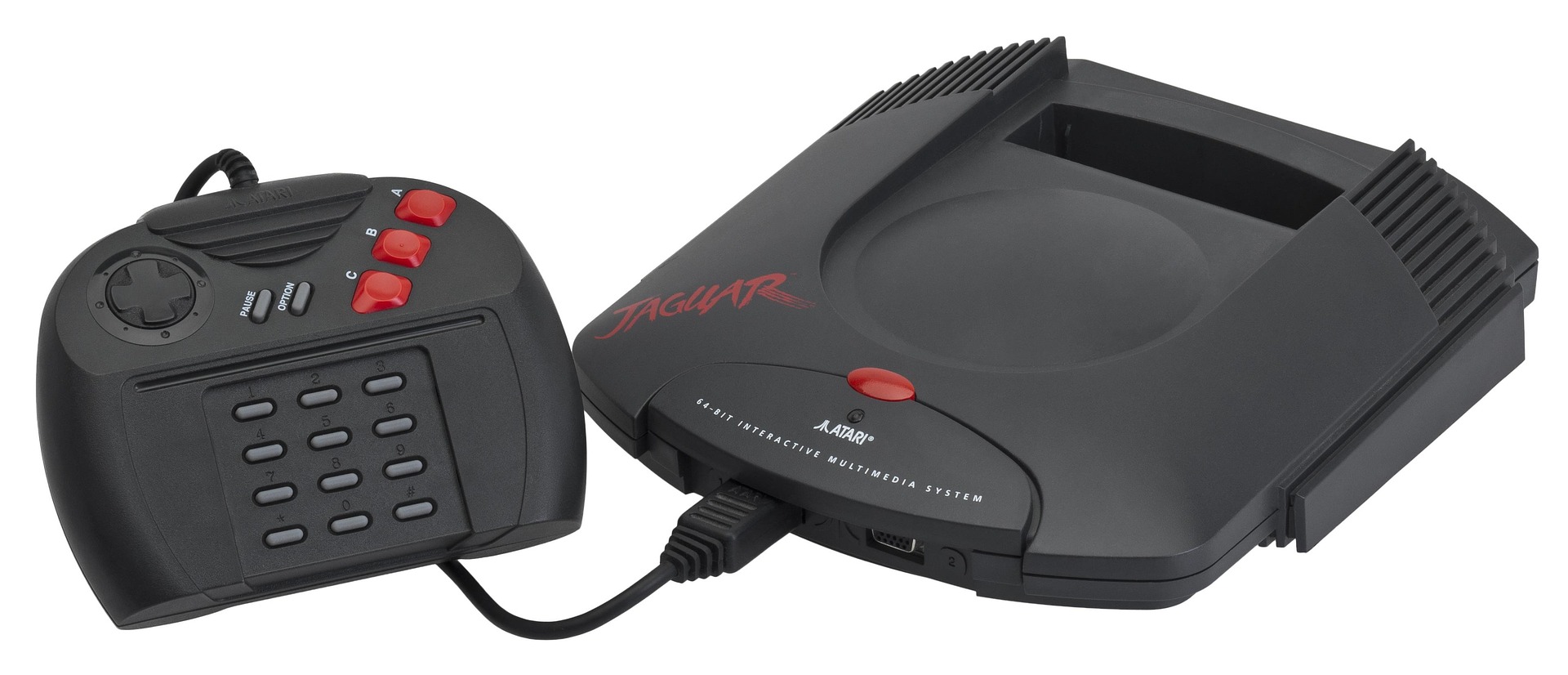
In the late 90s, Atari set a precedent of corporate grace with the Atari Jaguar by releasing its encryption keys and technical documentation. This decision empowered enthusiasts to develop and run software legally on the platform, ensuring vibrant ongoing support. Developers can still create and sell physical media for the Jaguar, allowing enthusiasts to engage with the hardware without fear of legal consequences.
Nintendo has chosen the opposite path. By keeping the 3DS keys locked behind a wall of proprietary encryption and utilizing the Digital Millennium Copyright Act (DMCA) to protect those locks, they have ensured that the 3DS family will eventually become electronic waste. We have the "Best Version" of many games on this system, but we are legally forbidden from using the hardware's full power to preserve them.
IV. The DMCA Shackle: Legal vs. Logical
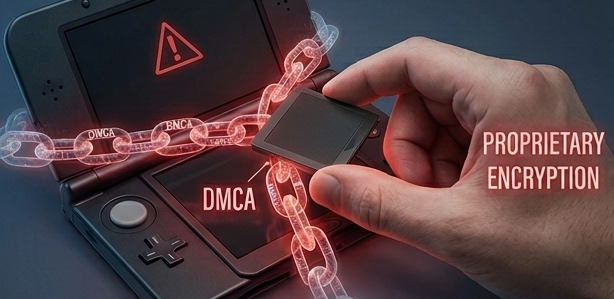
Under current regulations, bypassing the 3DS’s technical protection measures, even to run a game you physically own, is a violation of the DMCA. On a 3DS, Format Shifting (the act of moving your legally owned physical cartridge data into a digital format for convenience) is treated with the same legal weight as digital piracy, because it requires breaking proprietary encryption. This also applies to using the device to play legally purchased ROMs. Such restrictions prevent the 3DS from becoming the legal emulation powerhouse it was born to be.
This predicament is not a technical limitation but a legal one. The 3DS can operate legally owned retro games, but the law prevents the hardware from achieving its potential. Thus, our recommendations for the 3DS currently remain limited to Physical Cartridges, ensuring that your game library stays intact without depending on a corporation's goodwill.
Due to S.A.M.'s commitment to Legal Physical Ownership, we cannot advocate for software-based emulation on these devices until either the manufacturer grants permission or the law is updated.
V. THE "GHOST" PROBLEM: DIGITAL DECAY
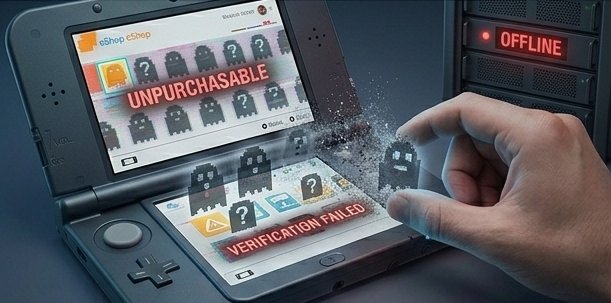
The shutdown of the eShop has resulted in the loss of thousands of "Download-Only" titles, effectively erasing them from existence. When servers go offline, digital-only games turn into “Ghosts”—software that exists only in digital code but cannot be legally purchased, verified, or transferred.
Furthermore, we must address fan-made server projects (such as Pretendo) designed to keep multiplayer alive. While these projects are born from a love of preservation, they currently require the installation of custom software that bypasses the system's TPMs. This creates a DMCA conflict that compromises our commitment to authorized gaming.
VI. A Call for Hardware Liberation
We don't want to exclude the 3DS; we want to liberate it. To save this hardware from the landfill of history, we advocate for two distinct actions:
- Corporate Grace: We call on Nintendo to follow the Atari Jaguar Blueprint. Release the keys for the 3DS family. You have moved on to the Switch and its successor; let the 3DS live on as an open legacy platform for the community that supported you for a decade.
- Legislative Reform: We must lobby for a "Right to Run." When a manufacturer ceases support for a device and closes its digital storefront, the legal protections for that hardware’s encryption should expire. Owners should have the legal right to "Format Shift" their libraries and utilize the hardware they paid for.
VII. Final Directive
The 3DS is a legend, currently serving a life sentence in a proprietary prison. Until the keys are released or the laws are changed, End of Line will continue to prioritize Physical Ownership and Open Architecture (PC). We don’t despise digital; we detest the Ghosts spawned by closed systems.
Hardware should outlive its creators. Anything less is a mere illusion, a fleeting rental in a world gone mad.
Acquisition Protocol
S.A.M. earns commissions via eBay links in this report to sustain archive operations.
> BUY A 3DS ON EBAY > BUY A 2DS ON EBAY