I. Sega’s 8-Bit DNA
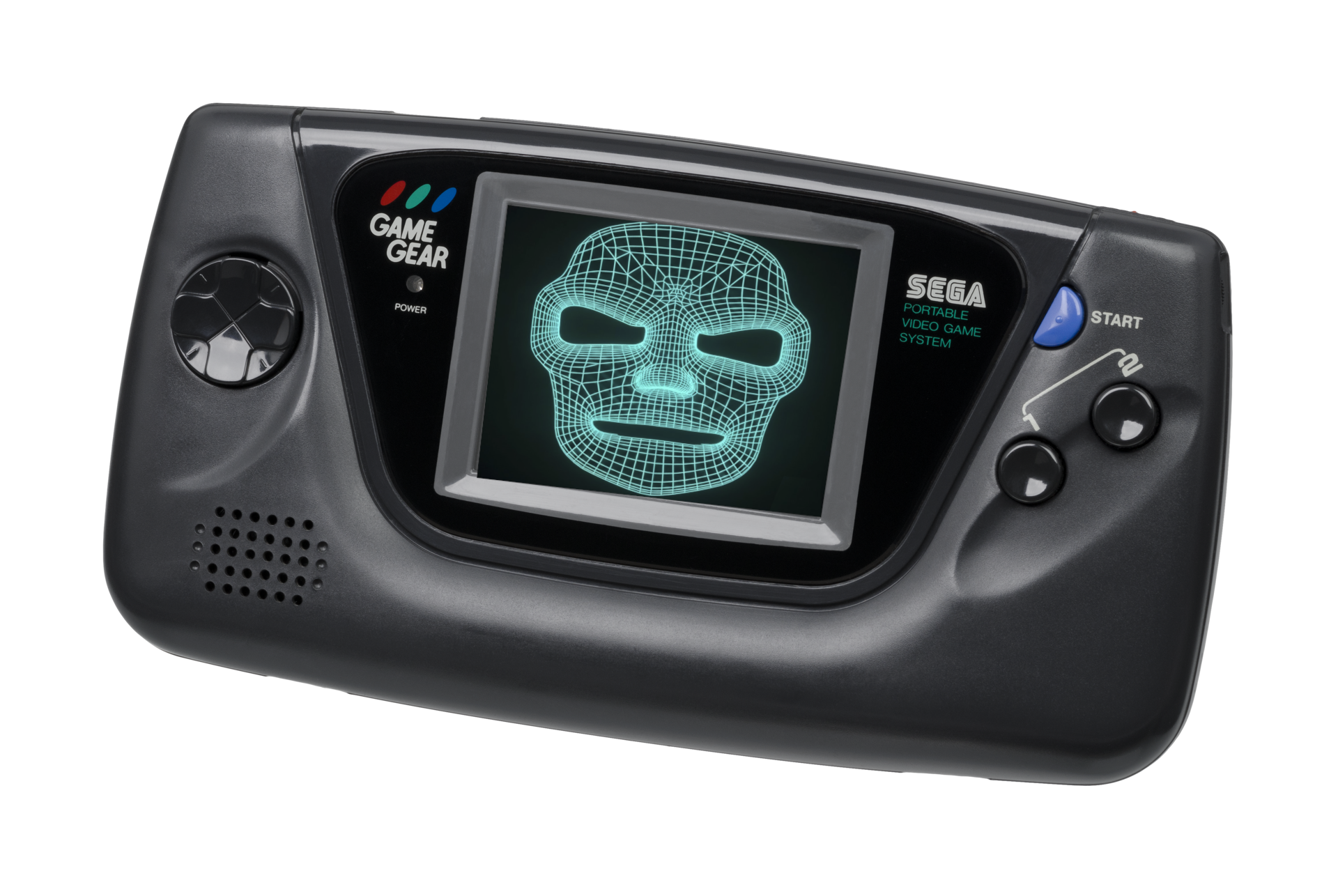
The bond between the Sega Game Gear and the Sega Master System is not mere imitation; it's a reflection of pure architectural symmetry. The Game Gear is a portable version of the Master System, capturing its wild 8-bit spirit. Both devices share the pulse of the Zilog Z80 processor. When you insert a Master System cartridge into a Game Gear with the right adapter, you aren’t running a digital tango through some convoluted translation layer. No, my friend! The Game Gear senses the shift in impedance and seamlessly slips into Master System Mode.
This glorious overlap offers advantages to the free-spirited gamer:
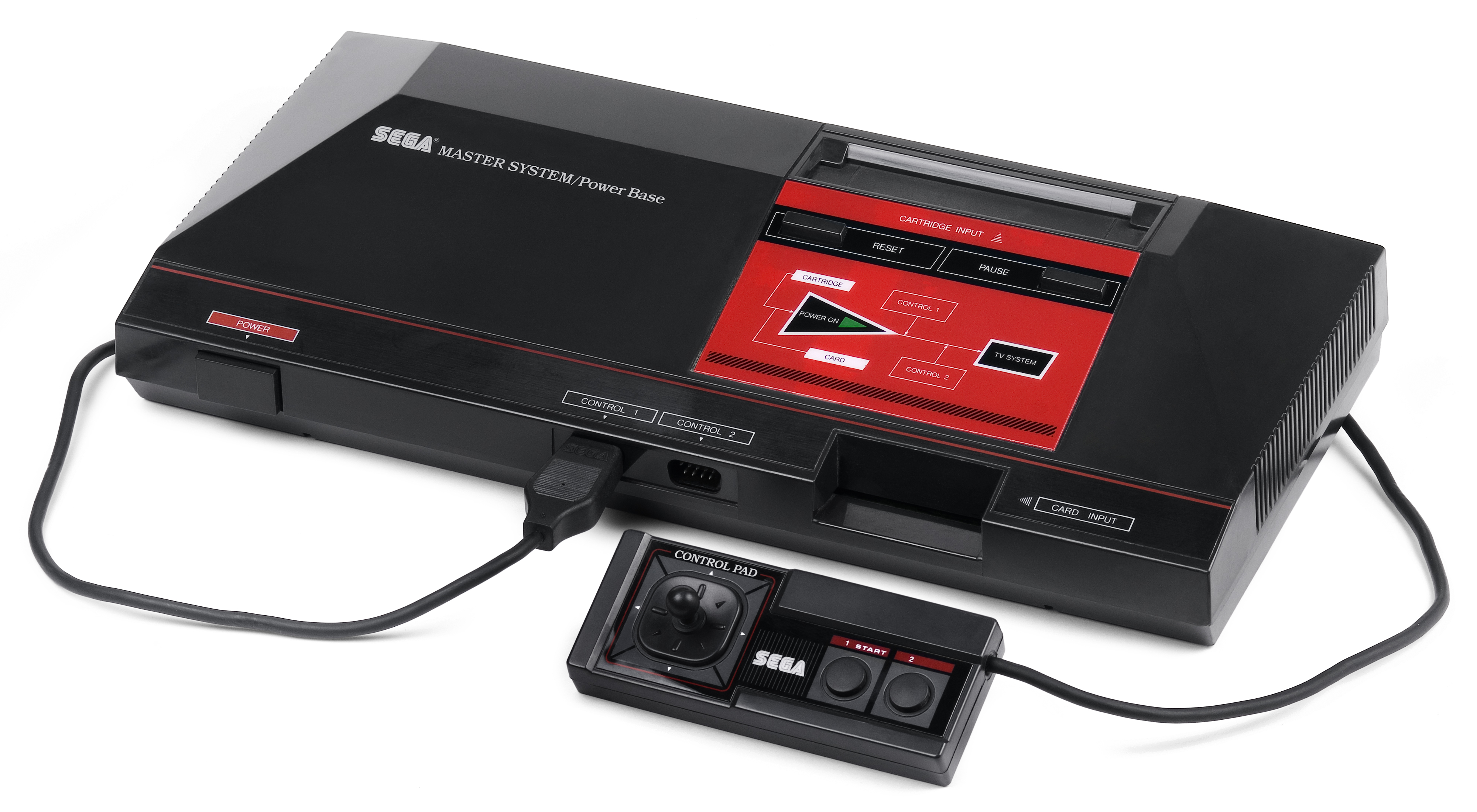
- Cycle-Accurate Performance: Hardware runs natively, eliminating the lag and desynchronization found in software emulators.
- Expanded Library: Using hardware like the RetroSix Master System Player or the Master Gear Converter, a modified Game Gear can access exclusive Master System games.
- Modded Clarity: Original Game Gear screens struggle with the Master System's higher resolution, but modern IPS replacements enhance clarity in ways unthinkable in the ‘90s.
II. Interface Protocol: RetroSix Master System Player
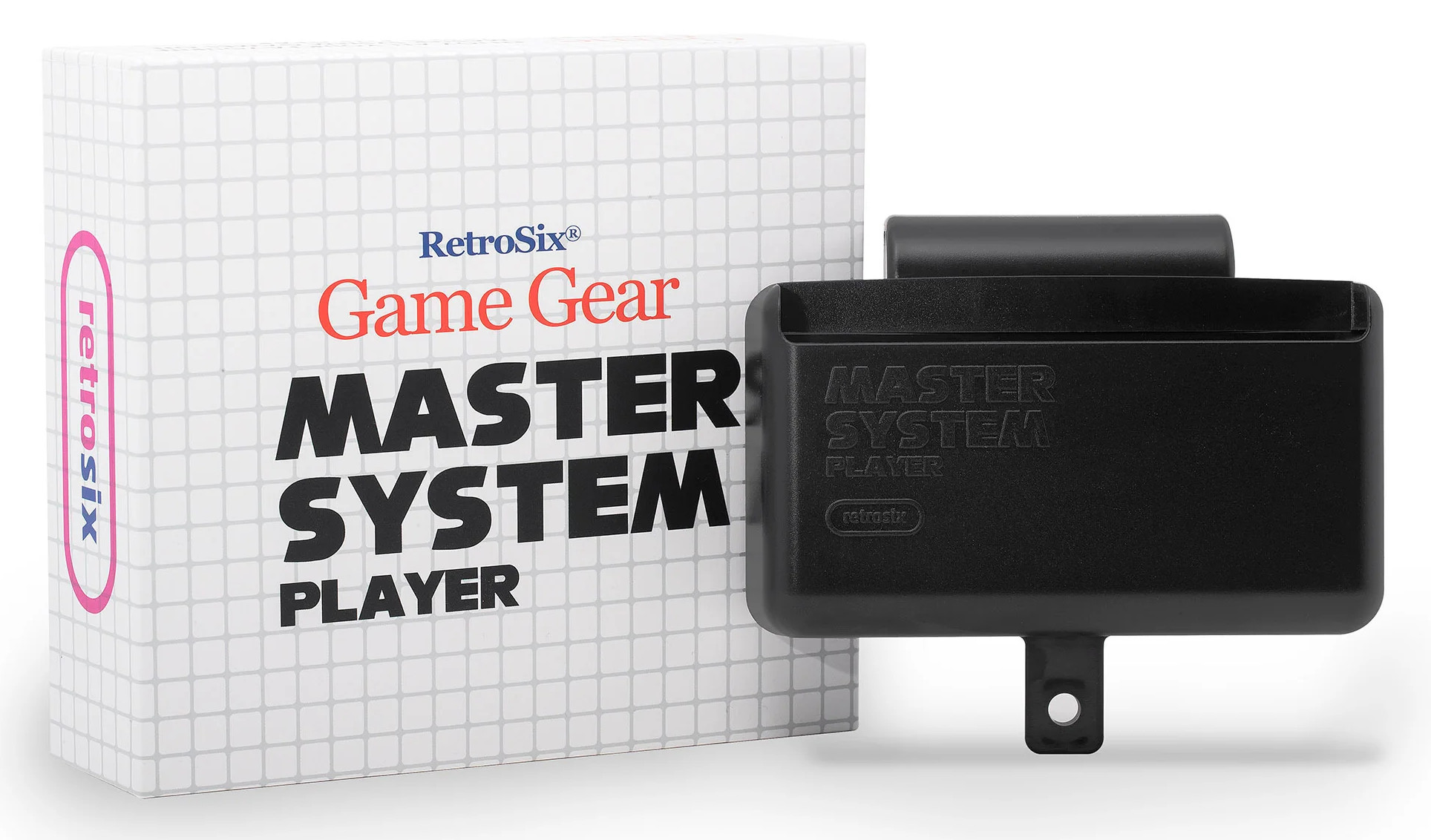
To achieve physical media integration, the S.A.M. Protocol identifies the RetroSix Master System Player as the primary hardware bridge for the Game Gear. This device adapts the larger 8-bit cartridges to the Game Gear’s smaller form factor.
Hardware Specifications
- The Bridge Mechanism: Ditch the colossal "tower" converters of yesteryear; the RetroSix Player is a smooth operator. It provides a 1:1 pin-to-pin connection, ensuring the console switches into its native Master System mode without the latency of a software overhead.
- Sound Processing: The adapter maintains original PSG (Programmable Sound Generator) audio streams. However, users should note that the Game Gear architecture cannot process the FM Sound Unit signals found in Japanese Master System hardware, meaning soundtracks will default to their standard 8-bit arrangements.
III. Resolution Disparities: The Sub-Pixel Challenge
When you brave the wild frontiers of interfacing Master System media with Game Gear, there is a substantial “Resolution Mismatch.” The Master System was built for the splendid vastness of home television, while the Game Gear was designed for handheld escapades. This mismatch can send a purist running for the hills!
The Visual Delta
- The Master System Output: Operates at a native resolution of 256x192.
- The Game Gear Display: Engineered for a target resolution of 160x144.
- The Conflict: To fit the larger 8-bit image onto the handheld’s smaller grid, original 1990s hardware utilizes a primitive downscaling technique. This results in "sub-pixel crushing," where fine details and text often become illegible, and the image appears vertically squashed or horizontally cropped depending on the internal logic of the game.
IV. The IPS Tactical Advantage: From Blurry to Brilliant
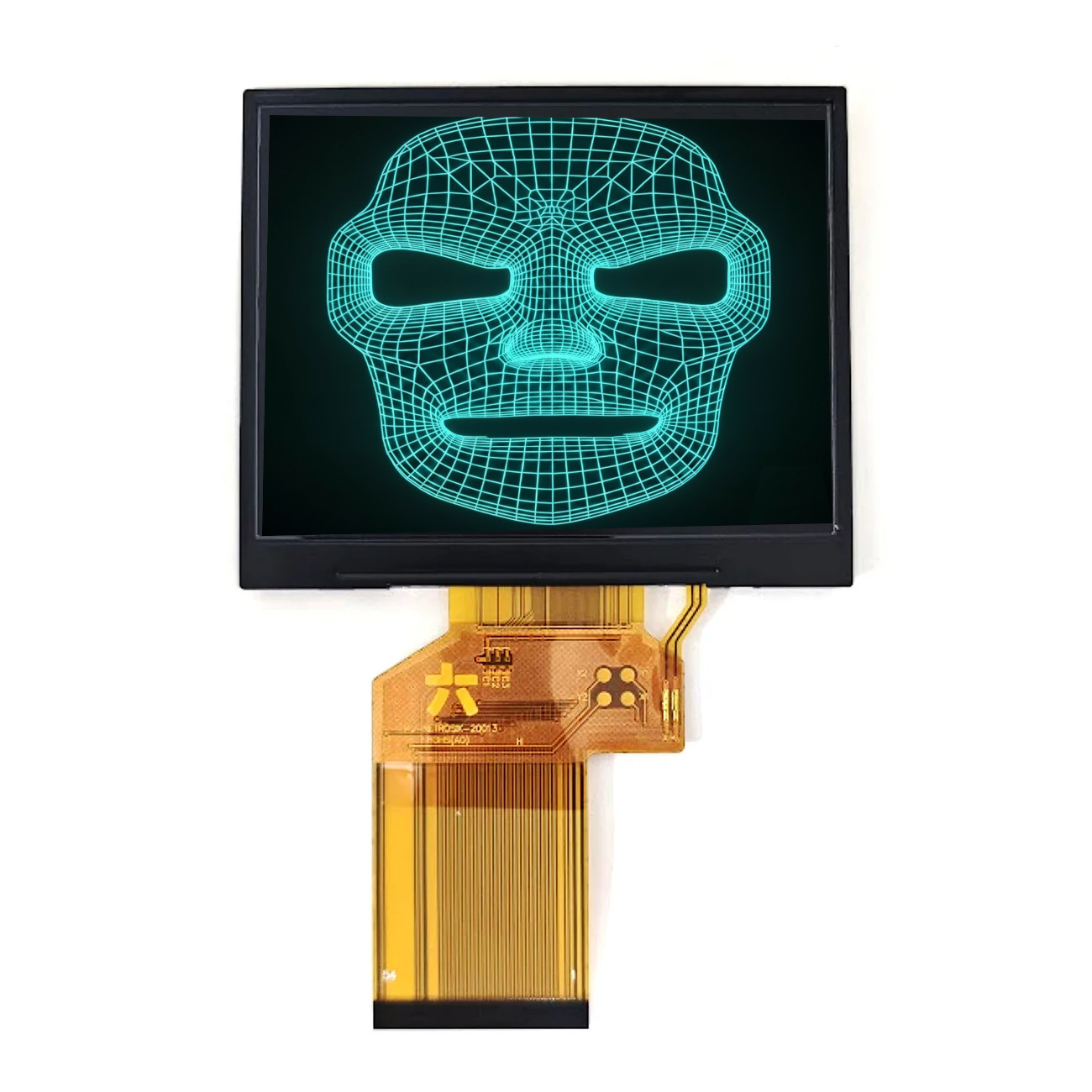
Fear not! Modern IPS screen mods are here to save the day, providing the sweet clarity our pixel dreams deserve. Unlike those lackluster passive-matrix LCDs of yore, high-end replacement kits like the BennVenn HD or RetroSix CleanScreen utilize advanced scaling algorithms to manage the 8-bit signal.
- Integer Scaling: These screens can output at higher internal resolutions (such as 640x480), allowing them to map the Master System’s 256x192 signal more accurately using "Integer Scaling". This prevents the shimmering and uneven pixel sizes found on legacy displays.
- Sub-Pixel Realism: With the increased contrast and viewing angles of an IPS panel, the dreaded "squashed" effect of 8-bit ports is significantly mitigated. The screen’s higher density ensures legibility of text that once lay ensnared in the murky depths of 1991’s hardware failings.
The liberation of the Game Gear via IPS technology ensures that Master System cartridges are no longer confined to the blurry, illegible displays of the past.
II. Interface Protocol: RetroSix Master System Player
To close the gap between home console cartridges and our cherished handheld, two solid paths lie ahead.
RetroSix Master System Player
For those of you who crave a sleek aesthetic and the craftsmanship of modern manufacturing, the RetroSix Master System Player is your golden ticket.
- Tactical Advantages: This adapter is significantly more compact than 1990s hardware, reducing mechanical stress on the Game Gear’s cartridge slot pins. It is engineered with high-grade PCB materials to ensure consistent voltage delivery to the cartridge.
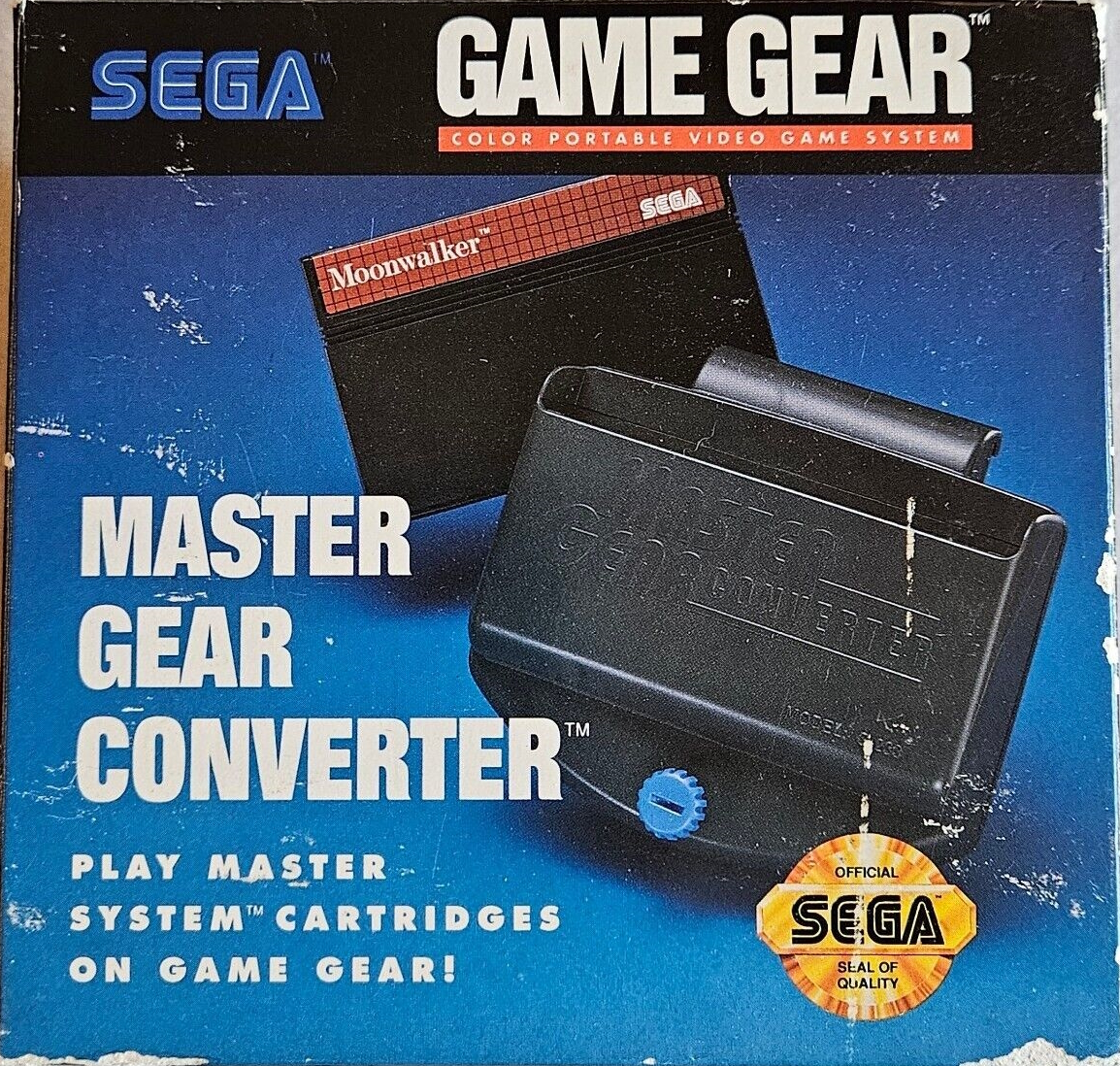
Master Gear Converter (OEM)
For those who desire the authenticity of vintage gear, the Master Gear Converter stands as the ultimate choice.
- Tactical Observations: These hulking beasts create an iconic "tower" profile when docked. While they exude nostalgia, they demand careful handling lest you risk damaging that sacred console slot.
- Sourcing Difficulty: As these units are no longer in production, they must be liberated from the secondary market.
S.A.M. earns commissions via eBay links in this report to sustain archive operations.
> ACQUIRE A MASTER GEAR CONVERTER ON EBAYVI. Final Directive: Celebrating the 8-Bit Legacy
In closing, the successful integration of Master System physical media into the Game Gear ecosystem shines as the best way to unleash Sega’s 8-bit glory into the hands of modern gamers. By modding and repairing those glorious old Game Gear units, we pull Sega’s rich history into the present, keeping it alive and kicking.
As older consoles succumb to capacitor failure, the Master System’s robust cartridge format stands as a resilient bastion of gaming heritage. Let us celebrate this union before the pixelated lights fade forever.